






























 BACK TO LIST
Director’s Choice – The Reputation of Paul de Lamerie
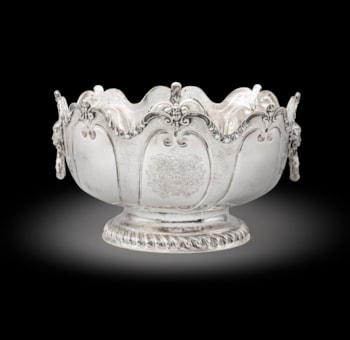
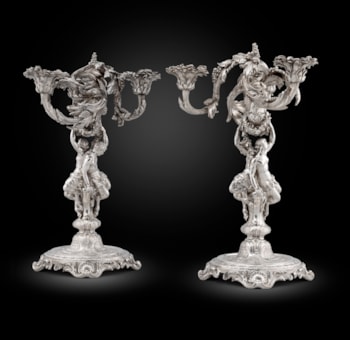
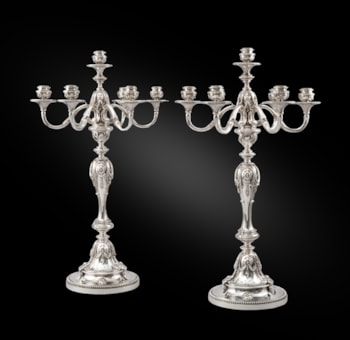
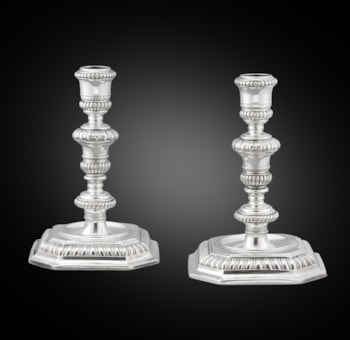
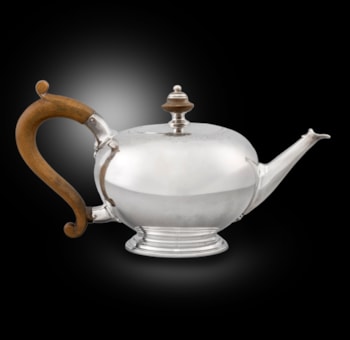
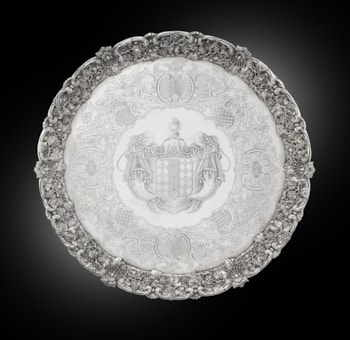
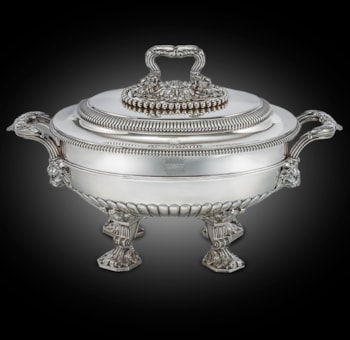
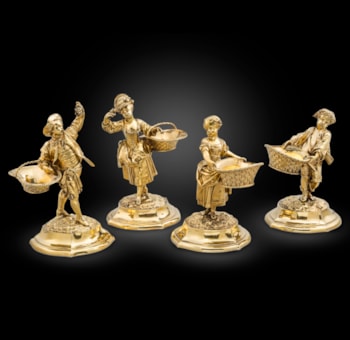
The reputation of Paul de Lamerie (1688 – 1751), renown as the greatest silversmith working in England in the eighteenth century, proceeds him, yet, despite his success as a silversmith, it is a rare occasion to have such a large and varied collection of Paul de Lamerie silver, especially from the perceived height of his career in the 1730s.
Far less of Lamerie’s silver survives today in its original state as much would have been refashioned to suit the emerging Neo-classical tastes that succeeded – it being more cost effective at the time to transform an existing service that had fallen out of fashionable favour, than to commission a new one entirely and in addition to the service one would have already possessed.
It was under the tutelage of the most prestigious Huguenot silversmith, Pierre Platel (circa 1664 - 1719), following a ten-year apprenticeship, that Paul de Lamerie was able to establish himself amongst the elite in the new revolutionary sensibility – the Rococo style. Conceived to provoke a romantic sense of confusion and dream-like atmospheres, without renouncing the grandeur, theatrical scale and formal robustness of the Baroque, the Rococo style treated natural subjects with a sense of whimsy and asymmetry emerging in the early 1730s and coming into full fruition in the middle of the decade.
The success that Lamerie achieved as a silversmith is the result not only of his innovation of decorative techniques, but also in his trade choices as a successful Georgian business owner. His skill was quickly recognised, and by 1717 he was referred to as ‘the King’s Silversmith’, only four years after entering his first mark into the Goldsmith’s Hall in 1713.
With historic academic research such as Philip A. S. Phillips’s ‘Paul de Lamerie Citizen and Goldsmith of London, A study of his Life and Work A.D 1688-1751’, Ellana Alcorn’s ‘Beyond the Maker's Mark: Paul de Lamerie Silver in the Cahn Collection’, and Christopher Hartop’s ‘Art and industry in 18th-century London English silver 1680-1760 from the Alan and Simone Hartman Collection’ to name but a few, the story of Paul Lamerie has in many ways already been told.
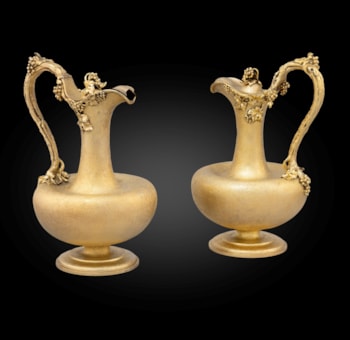
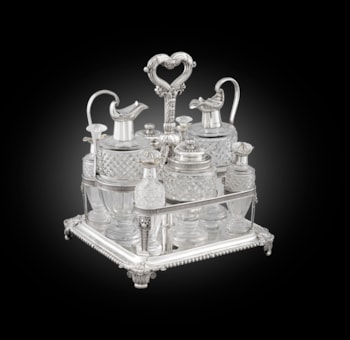
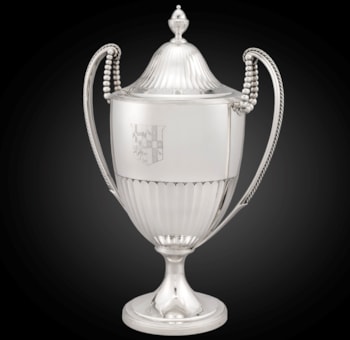
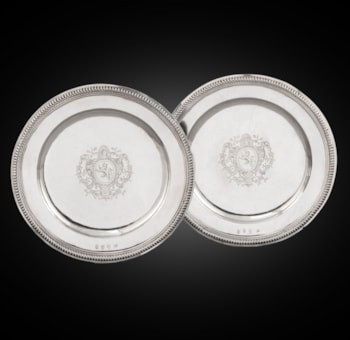
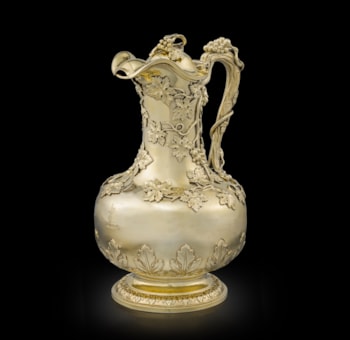
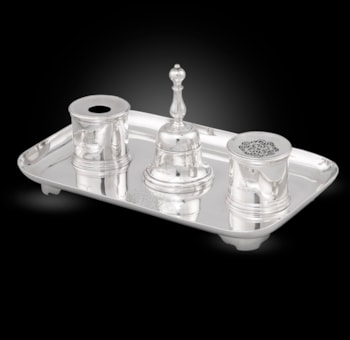
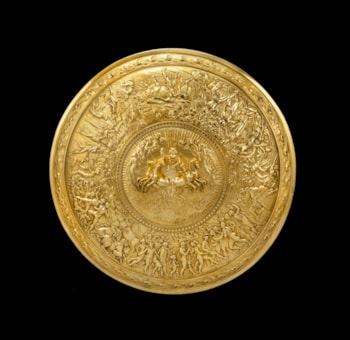
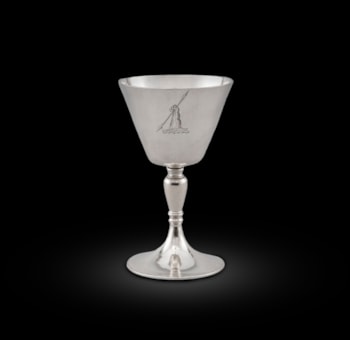
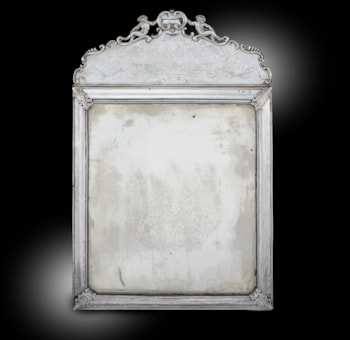
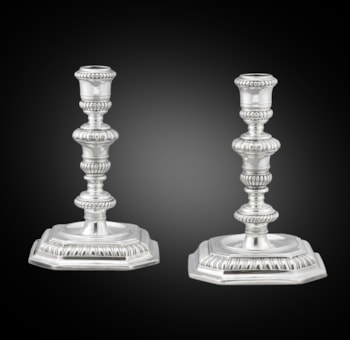
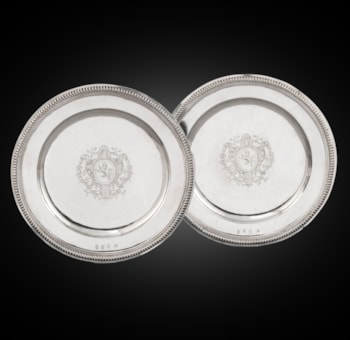
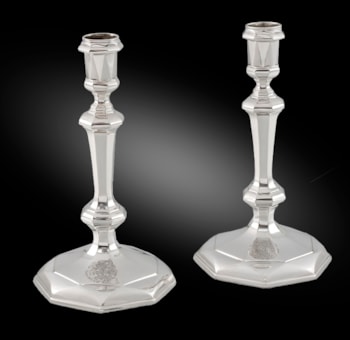
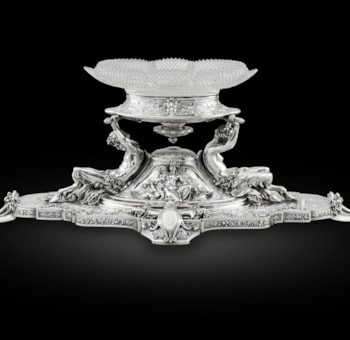
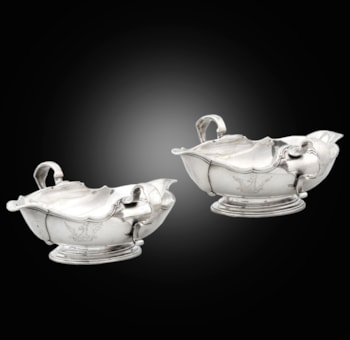
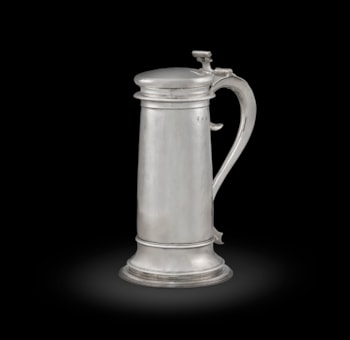
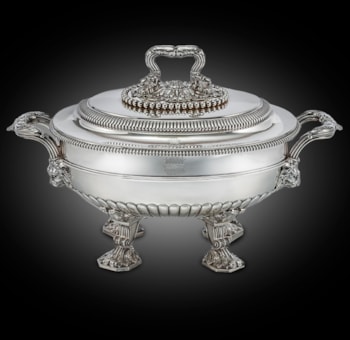
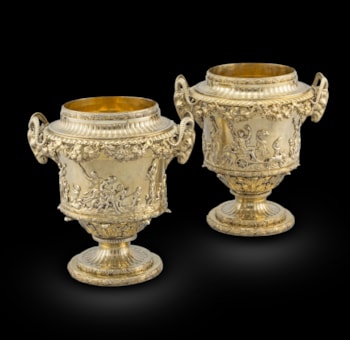
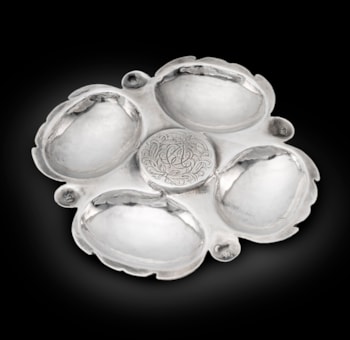
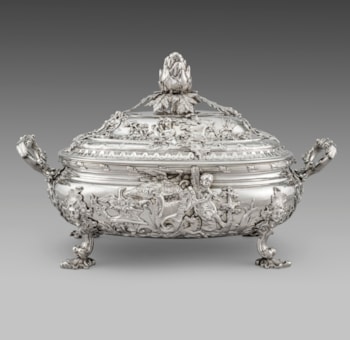
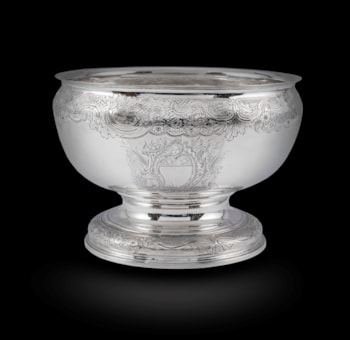
Our Director’s Choice this week touches briefly upon some his history but also looks to why his work is so extraordinary at times and the clients that were commissioning these incredible creations. We are very fortunate to be current custodians of a wonderful group of his works, and we revisit the virtuosity and brilliance of this genius 18th century goldsmith by highlighting the finer details of these glorious objects.
